
Bladder health is an important part of overall wellness, yet it often receives far less attention than heart health, digestion, or fitness. Many women experience occasional urinary discomfort, increased frequency, or bladder sensitivity at different stages of life. While medical advice should always be sought for persistent symptoms, simple daily habits can play an important role in supporting long-term urinary wellness.
Creating a consistent routine focused on hydration, nutrition, movement, and healthy lifestyle choices can make a meaningful difference in overall comfort and confidence.
Stay Properly Hydrated
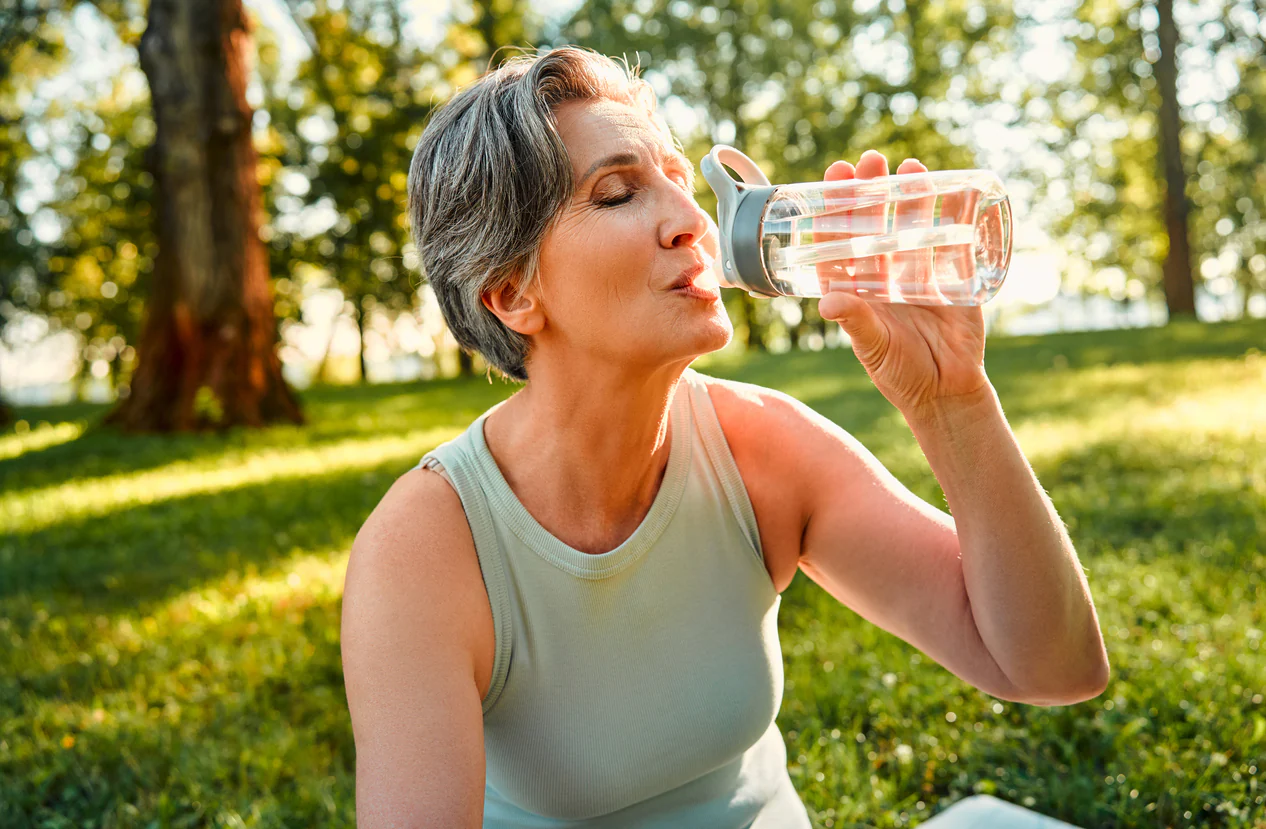
Many people mistakenly reduce water intake when experiencing urinary issues. In reality, proper hydration helps maintain normal urinary function and supports the body’s natural cleansing processes.
Rather than drinking excessive amounts at once, aim for consistent hydration throughout the day. Water remains the best option, while limiting excessive sugary beverages may also be beneficial.
Focus on a Balanced Diet
Nutrition influences many aspects of health, including digestive and urinary wellness. A diet rich in vegetables, fruits, whole grains, and fiber supports overall body function.
Some women also choose foods naturally rich in antioxidants and beneficial plant compounds, including:
- Cranberries
- Blueberries
- Leafy greens
- Citrus fruits
- Yogurt with probiotics
- Fermented foods
Maintaining balanced nutrition may contribute to better long-term wellness.
Support a Healthy Microbiome
Researchers continue exploring the relationship between gut and urinary health. Maintaining a balanced microbiome through nutritious foods and probiotic-rich options has become an area of growing interest.
Healthy dietary patterns and lifestyle habits may contribute to maintaining normal microbial balance throughout the body.
Many people researching bladder health support also explore educational resources discussing nutrition and microbiome-friendly lifestyles alongside professional healthcare guidance.
Exercise Regularly
Physical activity supports circulation, metabolism, and overall well-being. Even moderate activities such as:
- Walking
- Swimming
- Yoga
- Cycling
- Stretching
can contribute to healthier daily routines.
For some women, pelvic floor exercises may also help support muscle strength and bladder control when performed correctly under proper guidance.
Develop Healthy Bathroom Habits
Simple habits often make a difference:
- Don’t ignore the urge to urinate for long periods.
- Avoid rushing unnecessarily.
- Practice good hygiene.
- Stay hydrated throughout the day.
- Maintain a regular daily schedule.
These habits may help support everyday urinary comfort.
Manage Everyday Stress
Stress affects many body systems and may indirectly influence bladder sensitivity in some individuals.
Helpful stress-management practices include:
- Deep breathing
- Meditation
- Reading
- Walking outdoors
- Gentle exercise
- Better sleep routines
Improving overall wellness often has positive effects across multiple aspects of health.
Quality Sleep Matters
Sleep allows the body to recover and regulate numerous biological processes. Establishing a consistent bedtime routine and limiting late-night stimulants may contribute to better daily wellness.
Good sleep habits complement healthy nutrition and physical activity for a more balanced lifestyle.
Learn Before Choosing Supplements
The supplement market offers numerous products that claim to support urinary and bladder wellness. Before trying any dietary supplement, it’s worth researching ingredients, understanding manufacturer information, reviewing available scientific evidence, and discussing options with a qualified healthcare professional.
Consumers looking for educational information about natural bladder wellness often benefit from comparing evidence-based resources instead of relying solely on promotional material.
Final Thoughts
Long-term bladder wellness is rarely the result of a single habit. Instead, it often reflects consistent attention to hydration, balanced nutrition, physical activity, stress management, and healthy daily routines.
While lifestyle improvements can support general wellness, persistent urinary symptoms, pain, blood in urine, or significant changes in bladder function should always be evaluated by a licensed healthcare provider for proper diagnosis and treatment.