
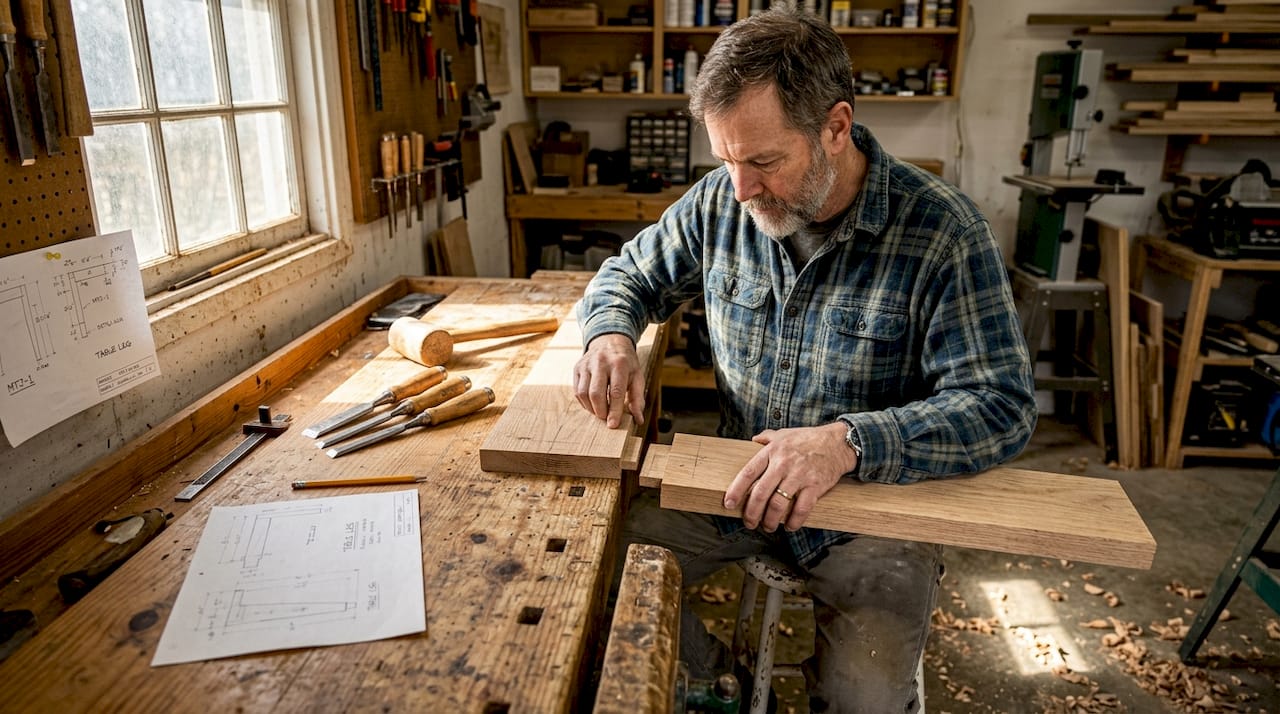
In a world dominated by smartphones, artificial intelligence, and automation, practical hands-on skills continue to hold incredible value. Among these timeless abilities, woodworking remains one of the most rewarding hobbies and professional crafts that anyone can learn. It combines creativity, patience, technical knowledge, and problem-solving into a skill that produces tangible and lasting results.
Whether someone is building a small shelf for their home or crafting custom furniture from scratch, woodworking offers a sense of accomplishment that is difficult to replicate through digital activities alone. Beyond the finished product, the process itself develops precision, planning, and confidence.
One of the biggest challenges for beginners is knowing where to start. Modern learners have access to books, online tutorials, local workshops, and structured educational resources that simplify the learning process. Having access to organized instructions can significantly reduce common mistakes and make projects more enjoyable from the very beginning.
For anyone interested in improving their craftsmanship, exploring woodworking plans created with clear measurements and step-by-step instructions can provide a reliable starting point while helping build essential skills through practical experience.
Woodworking Encourages Creative Thinking
Every woodworking project begins with an idea. Even when following existing blueprints, builders often customize dimensions, finishes, or decorative details to suit their own preferences.
This creative flexibility transforms ordinary materials into personalized pieces that reflect individual style and functionality. Unlike mass-produced products, handcrafted projects often carry sentimental and artistic value that lasts for generations.
As skills improve, many hobbyists begin designing their own furniture, storage solutions, outdoor projects, and decorative items that perfectly match their living spaces.
Building Patience Through Craftsmanship
Woodworking teaches an important lesson often forgotten in today’s fast-paced environment: quality requires patience.
Careful measurements, accurate cuts, smooth sanding, and proper finishing cannot be rushed without affecting the final outcome. This gradual learning process develops discipline while reinforcing attention to detail.
Many experienced craftspeople describe woodworking as both productive and relaxing because it requires complete focus on the present task rather than constant digital distractions.
Sustainability and Responsible Material Use
Growing environmental awareness has encouraged more people to repair, restore, and build rather than replace.
Woodworking supports sustainable habits through:
- Reusing reclaimed lumber
- Repairing damaged furniture
- Reducing unnecessary waste
- Creating long-lasting products
- Supporting thoughtful material selection
Many projects can even be completed using recycled materials that would otherwise end up discarded.
Practical Benefits Beyond the Workshop
Woodworking skills frequently extend into everyday home improvement tasks. Understanding measurements, tools, fasteners, and materials makes common repairs easier and often reduces maintenance costs.
Homeowners who understand basic construction principles become more confident when installing shelves, repairing cabinets, creating storage solutions, or improving outdoor spaces.
These practical abilities provide long-term value regardless of professional background.
Technology Has Enhanced Traditional Skills
Rather than replacing craftsmanship, technology has expanded learning opportunities.
Digital design software, instructional videos, online communities, and educational platforms make knowledge more accessible than ever before. Beginners can now visualize projects, compare techniques, and study experienced builders from anywhere in the world.
The combination of traditional craftsmanship with modern educational resources creates an ideal learning environment for today’s DIY enthusiasts.
Those looking to deepen their knowledge often benefit from comprehensive DIY woodworking projects that gradually increase in complexity while reinforcing essential construction techniques and safety practices.
Developing Confidence Through Small Successes
Every completed project represents measurable progress. Starting with simple organizers or storage boxes can eventually lead to building tables, cabinets, outdoor furniture, or decorative pieces.
This steady progression helps learners gain confidence while strengthening practical problem-solving skills that transfer into many other areas of daily life.
Even mistakes become valuable learning experiences, teaching better planning, improved measurements, and more efficient construction methods.
The Lasting Appeal of Handmade Craftsmanship
Despite rapid technological advancement, handmade creations continue to hold unique appeal. They represent personal effort, thoughtful design, and individual creativity rather than automated production.
Woodworking remains one of the few hobbies where imagination becomes something physically useful and lasting. It blends artistry with engineering while offering continuous opportunities for learning and improvement.
As more people seek meaningful hobbies that produce tangible results, woodworking continues to inspire new generations of makers who value quality, creativity, and practical skill development.
In an increasingly digital world, creating something with your own hands remains both deeply satisfying and genuinely timeless.