
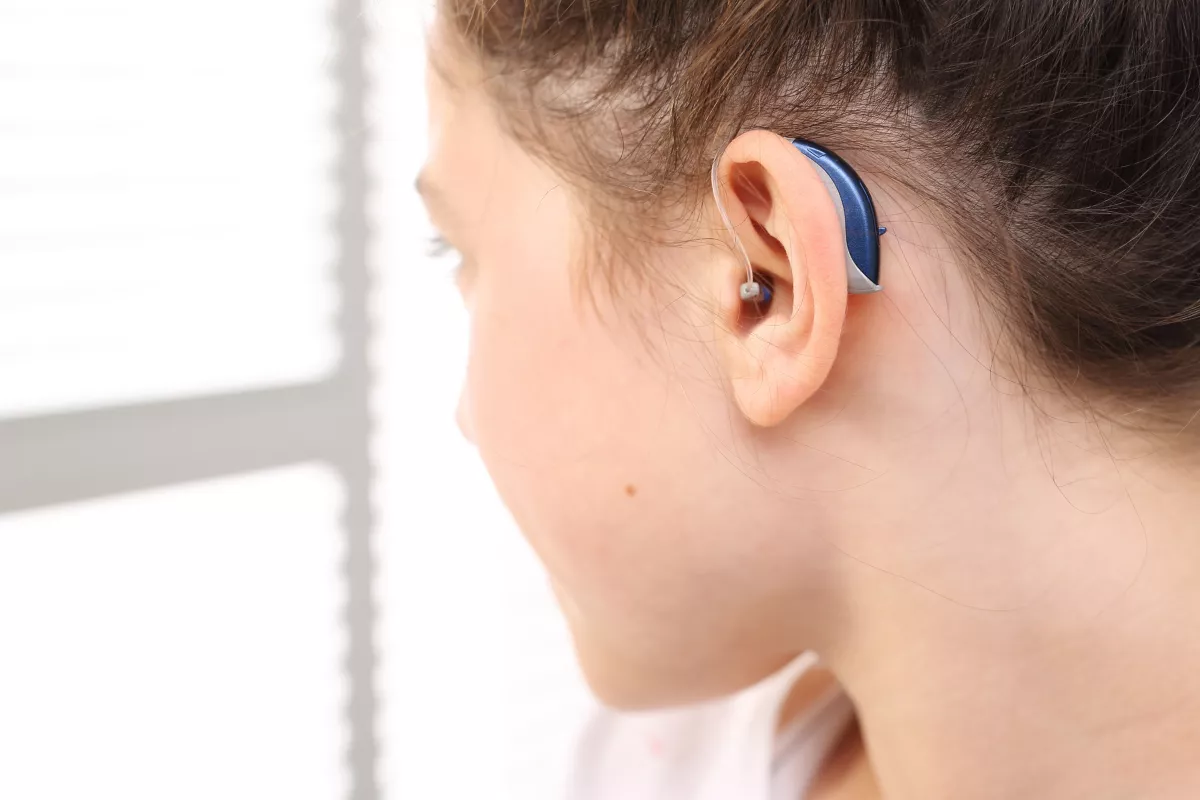
Hearing is one of the most valuable senses, yet many people don’t think about protecting it until they begin to notice changes. Whether you’re working in a noisy environment, spending hours with headphones, or simply getting older, daily habits can have a meaningful impact on your long-term hearing wellness.
While no single lifestyle change can guarantee perfect hearing, adopting healthier routines may help support overall ear and brain function over time.
Why Hearing Health Deserves More Attention
Our ears do much more than detect sound. They play an important role in communication, awareness, balance, and quality of life. Modern lifestyles expose us to constant noise pollution, prolonged screen time, and stress, all of which may indirectly affect overall wellness.
Maintaining healthy habits early can be a practical investment in your future well-being.
Daily Habits That Can Make a Difference
1. Keep Volume Levels Under Control
Listening to music or podcasts at maximum volume for extended periods can place unnecessary stress on your ears. Many experts recommend following moderate listening practices and taking regular breaks.
Simple adjustments today may help reduce unnecessary exposure over the years.
2. Focus on Balanced Nutrition
A healthy diet supports the body as a whole, including systems involved in circulation and nerve function. Foods rich in vitamins, minerals, antioxidants, and healthy fats may contribute to overall wellness.
Fresh fruits, leafy vegetables, nuts, seeds, fish, and whole grains are often included in balanced dietary patterns that support general health.
3. Prioritize Quality Sleep
Sleep allows the body to recover and perform essential maintenance processes. Consistent sleep schedules may also support concentration, mental clarity, and stress management.
Creating a relaxing bedtime routine can be beneficial for both physical and cognitive wellness.
4. Stay Physically Active
Regular exercise supports cardiovascular health, which is important because healthy blood circulation benefits organs throughout the body.
Walking, cycling, swimming, or simple daily movement can become valuable long-term habits.
Managing Everyday Stress
Chronic stress can influence many aspects of overall health. Practicing mindfulness, breathing exercises, outdoor activities, or hobbies may help maintain emotional balance.
Small moments of relaxation throughout the day often provide lasting benefits.
Protect Your Ears in Loud Environments
Concerts, construction sites, industrial workplaces, and sporting events can expose people to high noise levels.
Using hearing protection when appropriate and limiting prolonged exposure may help reduce unnecessary strain on the ears.
The Growing Interest in Natural Hearing Wellness
As awareness grows, many individuals are exploring lifestyle strategies alongside nutritional approaches that aim to support hearing and cognitive wellness.
This has also increased interest in educational resources discussing NeuroQuiet hearing supplement topics and broader hearing support information. Instead of relying solely on marketing claims, it’s wise to research ingredients, scientific evidence, and professional medical guidance before making health decisions.
Readers looking to understand ingredient profiles and educational resources surrounding NeuroQuiet reviews should focus on balanced information rather than promotional content and compare multiple trustworthy sources before reaching conclusions.
Don’t Ignore Early Signs
If you experience persistent ringing, sudden hearing changes, dizziness, or ongoing discomfort, consulting a qualified healthcare professional is important. Early evaluation can help identify underlying causes and appropriate management options.
Self-diagnosis should never replace professional medical advice.
Final Thoughts
Healthy hearing isn’t maintained through a single solution but through consistent everyday habits. Balanced nutrition, regular exercise, stress management, quality sleep, and sensible noise protection all contribute to a healthier lifestyle.
Making small improvements today may help support long-term wellness and encourage better awareness of your hearing health for years to come.