
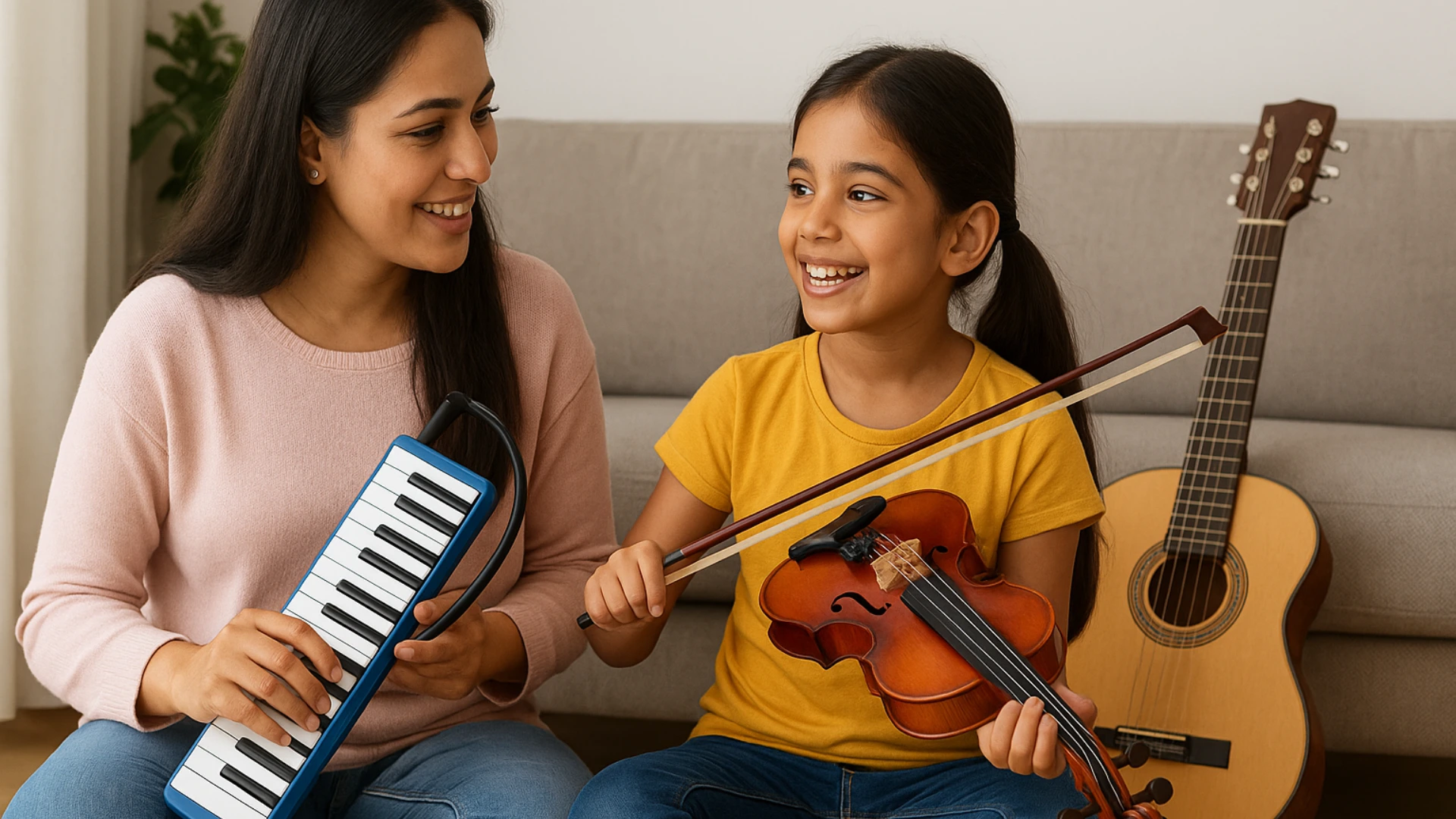
In today’s fast-moving digital world, finding activities that genuinely improve concentration and encourage creativity has become increasingly important. While many people look for productivity hacks or expensive courses, one timeless habit continues to deliver remarkable benefits: learning a musical instrument.
Music is more than entertainment. It engages the brain, builds discipline, develops patience, and provides a creative outlet that can last a lifetime. Whether someone starts at the age of seven or seventy, the journey of learning music often leads to improvements that extend well beyond the practice room.
The Brain Loves Musical Challenges
When people practice music regularly, they aren’t simply memorizing notes. They are training multiple areas of the brain simultaneously. Reading patterns, coordinating hand movements, listening carefully, and maintaining rhythm all require mental engagement.
Over time, this consistent stimulation can strengthen attention span and improve problem-solving abilities. Many learners also notice increased confidence as they master progressively challenging pieces.
Developing creative thinking through music often translates into better performance in school, work, and everyday decision-making.
Building Discipline Through Small Daily Progress
One of the greatest lessons music teaches is consistency.
Rather than expecting instant results, musicians gradually improve through regular practice sessions. Even fifteen or twenty minutes each day can create measurable progress over time.
This habit of incremental improvement often carries into other aspects of life:
- Better time management
- Improved patience
- Stronger self-discipline
- Greater resilience after mistakes
- Increased motivation to pursue long-term goals
These qualities become valuable regardless of career or profession.
Creativity Grows With Practice
Many people mistakenly believe creativity is something people are simply born with. In reality, creativity develops through repeated exploration and experimentation.
Learning melodies, improvising rhythms, and understanding harmony encourages flexible thinking. As confidence grows, learners begin expressing themselves more naturally through music.
This process often inspires creative solutions in unrelated fields such as writing, design, engineering, business, and education.
Music as a Healthy Stress Reliever
Modern lifestyles often involve constant notifications, deadlines, and digital overload. Practicing music offers an opportunity to slow down and focus on a single meaningful activity.
Many learners describe their practice sessions as calming and mentally refreshing. Concentrating on rhythm and melody creates a break from daily distractions while promoting mindfulness and emotional balance.
The satisfaction of successfully learning a new piece also provides a rewarding sense of accomplishment.
Technology Has Made Learning More Accessible
Unlike previous generations, aspiring musicians now have access to digital resources that make learning far more flexible. Interactive lessons, visual demonstrations, and structured online guidance allow students to practice at their own pace from virtually anywhere.
Many beginners explore different educational resources and online piano lessons to establish a consistent routine, understand music fundamentals, and stay motivated throughout their learning journey.
Lifelong Benefits Beyond Music
The advantages of musical education extend well beyond performance itself. Learners frequently develop:
- Better listening skills
- Enhanced memory
- Improved coordination
- Stronger concentration
- Greater emotional expression
- Increased perseverance
These benefits can positively influence both personal and professional life for years to come.
Final Thoughts
Learning a musical instrument is not about becoming a professional performer. For many people, it becomes a fulfilling personal journey that encourages patience, curiosity, and continuous growth.
By dedicating even a small amount of time each week to musical practice, individuals can strengthen valuable cognitive abilities while enjoying a rewarding creative experience. In an age filled with distractions, making space for music may be one of the simplest and most meaningful investments in long-term personal development.